
Healing in Color: Why Culturally Responsive Support Is Essential for BIPOC Girls Recovering from Trafficking

Many healing programs overlook how culture shapes recovery for BIPOC girls escaping trafficking. Without culturally responsive care, these survivors face barriers that stall their healing. Magdalena’s Daughters offers trauma-informed, survivor-led support designed to meet the unique needs of BIPOC foster youth in San Bernardino County. Keep reading to understand why this approach makes all the difference—and how you can help change lives. Read more about the importance of culturally responsive care in this report.
Culturally Responsive Care for Healing
Culturally responsive care is vital in the healing journey of BIPOC girls who have survived trafficking. Understanding and respecting cultural backgrounds can accelerate recovery and foster a sense of belonging.
Importance of Survivor-Led Programs
Survivor-led programs are essential because they are rooted in real experiences. These programs offer authentic support that resonates deeply with those they aim to help.
Survivors bring unique insights that shape effective healing strategies. Their voices and leadership in program development ensure the care provided is both relevant and impactful. This approach not only empowers survivors but also builds trust, creating a safe space for healing.
Survivor-led initiatives often include peer support, allowing those in recovery to connect with others who have faced similar challenges. These connections are crucial for emotional support and empowerment, fostering a community of understanding and resilience.
Trauma-Informed Healing Approaches
Trauma-informed care is an approach that recognizes and responds to the effects of trauma. It prioritizes creating a safe environment that encourages healing.
This type of care involves understanding the complex needs of survivors. Techniques like EMDR and CPT therapy help in addressing trauma effectively. These methods aid in processing traumatic memories and reducing symptoms of PTSD.
Trauma-informed healing also emphasizes the importance of choice and control for survivors. By allowing them to take an active role in their recovery, it supports their empowerment and confidence. This approach fosters a path towards lasting recovery and well-being.
Magdalena’s Daughters: A Safe Haven
Magdalena’s Daughters is more than just a program. It is a sanctuary where BIPOC girls can find safety and begin their journey to healing.
Residential Therapeutic Program Overview
The residential therapeutic program at Magdalena’s Daughters is designed as a safe haven for healing. It offers comprehensive support tailored to the needs of BIPOC foster youth.
This program provides on-ground services, ensuring safety and minimizing the risk of re-victimization. With a focus on empowerment, it includes life skills education, therapeutic interventions, and community engagement. These elements work together to provide a holistic healing experience.
The sanctuary-like environment allows residents to heal at their own pace, surrounded by support and understanding. This nurturing setting is crucial in helping them rebuild their lives and envision a hopeful future.
Comprehensive Mental Health Services
Mental health services are a cornerstone of the support provided at Magdalena’s Daughters. These services address the emotional and psychological needs of survivors.
Therapies such as EMDR and CPT are central to the healing process. They help in managing trauma symptoms and improving mental health outcomes. This specialized care is vital for recovery and resilience.
Additionally, group therapy and peer support sessions offer a sense of community. Sharing experiences with others who understand fosters connection and reduces feelings of isolation. This supportive network is instrumental in the healing journey.
Community Engagement and Support
Community support plays a critical role in the success of recovery programs. Building strong partnerships is key to enhancing the impact of these efforts.
Building Strong Community Partnerships
Building community partnerships is essential for broadening the reach and effectiveness of support programs. Collaborations with local organizations amplify resources and impact.
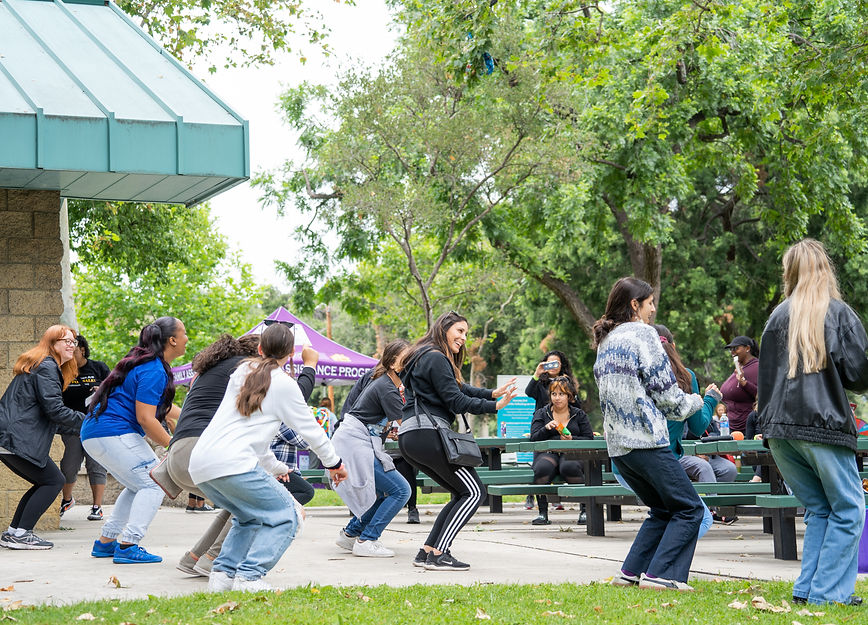
These partnerships provide a platform for advocacy and awareness, educating the community about trafficking and its effects. By working together, community members and organizations can create a robust support network for survivors.
Strong partnerships enable better resource allocation and access to services. This collective approach ensures comprehensive care and support for those in need, fostering a community of resilience and hope.
Ways to Support BIPOC Girls' Recovery 💪
Supporting the recovery of BIPOC girls involves various actions, from volunteering to advocacy. Here’s how you can help:
Volunteer: Offer your time and skills to support programs and initiatives.
Donate: Financial contributions help sustain and expand vital services.
Advocate: Raise awareness about trafficking and advocate for policy changes that support survivors.
Partner: Collaborate with local organizations to enhance community support networks.
By taking these steps, you can make a meaningful difference in the lives of BIPOC girls recovering from trafficking. Your involvement can help create a brighter, more hopeful future.
Frequently Asked Questions
What is culturally responsive care?
Culturally responsive care involves understanding and respecting the cultural backgrounds of individuals receiving care. It is essential for providing effective support that resonates with BIPOC survivors.
Why are survivor-led programs important?
Survivor-led programs offer authentic support based on real experiences. They empower survivors and build trust, creating a safe space for healing.
What mental health services are provided at Magdalena’s Daughters?
Magdalena’s Daughters offers therapies like EMDR and CPT to address trauma. These services are crucial for managing symptoms and improving mental health outcomes.
How can the community support trafficking survivors?
The community can support survivors by volunteering, donating, advocating for policy changes, and partnering with local organizations to build strong support networks.
Why focus on BIPOC girls in trafficking recovery programs?
BIPOC girls often face additional cultural and systemic barriers in recovery. Focusing on their unique needs ensures equitable support and enhances healing outcomes.

Comments