
Culturally Responsive Healing: Why BIPOC Girls in Foster Care Need Tailored Support After Exploitation

Most foster care programs treat trauma as one-size-fits-all. But BIPOC girls who’ve faced exploitation carry wounds shaped by culture, identity, and history. That’s why culturally responsive care is not just helpful, it’s essential for true healing from exploitation. At Magdalena’s Daughters, survivor-led, trauma-informed therapy meets these young women where they are, offering a path to safety and empowerment that honors their unique stories. Keep reading to see how this approach changes lives in the Inland Empire and beyond. Learn more about what trauma-informed residential care should include for sexually exploited female foster youth.
The Need for Culturally Responsive Care
Culturally responsive care isn't just a benefit, it's a necessity in effective healing for BIPOC foster youth. Understanding their unique needs starts with acknowledging their diverse backgrounds.
Understanding BIPOC Foster Youth
BIPOC foster youth encounter barriers that others might not. These young people often navigate systems that don't reflect their cultural experiences, which can deepen their trauma. They need support that respects their identities. Programs like those at Magdalena’s Daughters recognize this. They tailor their services to honor these backgrounds. This approach helps youth feel validated and understood, which is crucial for healing.
Healing From Exploitation
Healing from exploitation requires more than standard care. BIPOC girls need services that speak to their specific cultural wounds. Survivor-led programs at Magdalena’s Daughters do just that. They use culturally informed practices that resonate with the girls’ experiences. This helps bridge gaps between past trauma and future recovery. When these young women see their stories reflected in their care, they can begin to heal and grow.
Racial Equity in Care
Achieving racial equity in care means actively dismantling systemic barriers. Programs must intentionally include and uplift BIPOC voices. Magdalena's Daughters has centered their mission on this principle. Their focus on BIPOC communities ensures these youth receive fair, quality care. Such intentional inclusion empowers these young women, positioning them as leaders in their own recovery journeys.
Survivor-Led Programs and Support
Survivor-led programs provide authentic, relatable support for youth. These programs are essential as they offer a perspective that standard approaches may lack, fostering an environment where healing is genuinely possible.
Trauma-Informed Therapy Approaches
Trauma-informed therapy is at the core of effective support. At Magdalena's Daughters, therapies are tailored to the individual experiences of the youth. They acknowledge the impact of trauma on every aspect of life. This approach uniquely positions the girls to reclaim their narratives. It includes understanding triggers and developing coping strategies. This builds resilience and fosters empowerment, crucial steps in recovery.
EMDR and CPT for Trauma
Eye Movement Desensitization and Reprocessing (EMDR) and Cognitive Processing Therapy (CPT) are key in addressing trauma. These techniques help reframe traumatic memories, reducing their power over the present. The therapies are survivor-centric, ensuring that the girls are in control of their healing. With guidance, they learn to process and overcome their traumatic experiences. This empowerment through therapy can significantly reduce symptoms of PTSD and help in leading healthier lives.
Residential Therapeutic Program Highlights
Magdalena’s Daughters will offer a residential therapeutic program that is more than just a place to stay. It’s a sanctuary for healing. On-site services will include mental health support, life skills education, and community engagement. These elements create a comprehensive care model. It’s designed to reduce re-victimization risks and foster growth in a safe environment. The program is structured to meet each girl's unique needs, promoting long-term empowerment.
Community Partnerships and Advocacy
Community partnerships are vital in expanding support and advocacy efforts. By working together, organizations can amplify their impact, reaching more youth in need.
Expanding Support in the Inland Empire
The Inland Empire is a focus area for expanding support. Through partnerships, Magdalena's Daughters aims to increase access to services. Collaborations with local organizations enhance resource availability. This expansion allows more youth to benefit from culturally responsive care. It’s a community effort to bring about meaningful change.
Anti-Trafficking Education and RAISE Curriculum
Education is a powerful tool against trafficking. The RAISE curriculum equips youth with knowledge to recognize trafficking signs and methods. It’s a survivor-led initiative, providing real-world context and strategies. This education empowers youth, making them aware and prepared. Awareness is the first step in prevention, and RAISE is designed to be engaging and informative.
Empowerment and Healing Through Community
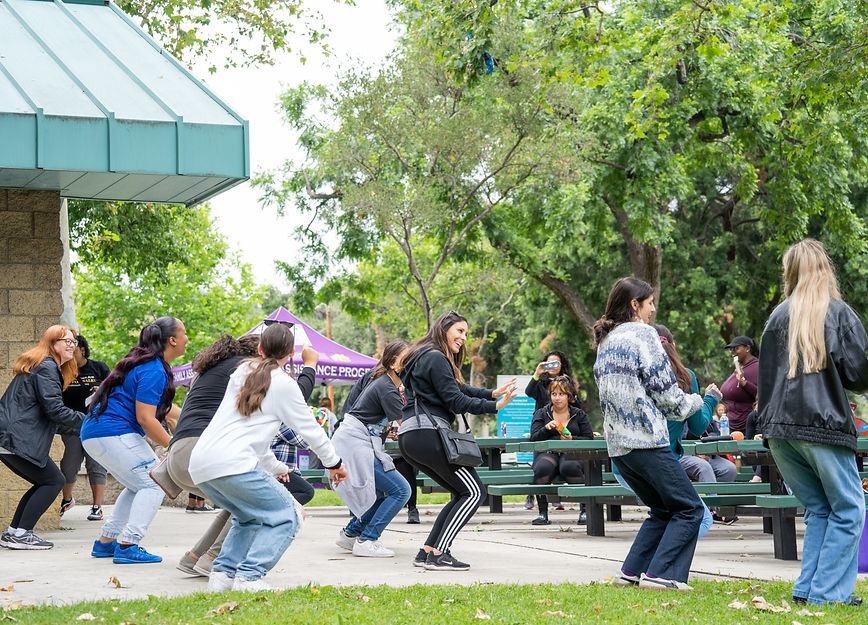
Community plays a crucial role in healing. When youth feel supported by their community, they are more likely to thrive. Magdalena's Daughters fosters a sense of belonging through community connections. Empowerment comes from knowing you're not alone. This community-focused approach enhances the healing process, providing a network of support and encouragement.
Frequently Asked Questions
What is culturally responsive care?
Culturally responsive care acknowledges the unique cultural backgrounds and needs of individuals, tailoring support to fit those specific contexts. It’s essential for effective healing, especially for BIPOC youth.
How does Magdalena’s Daughters support BIPOC foster youth?
Magdalena's Daughters offers survivor-led, trauma-informed programs that respect and integrate the cultural identities of BIPOC youth, providing them with personalized care and support.
Why is the RAISE curriculum important?
The RAISE curriculum educates youth about recognizing and preventing trafficking. It's survivor-led, making it relatable and effective in teaching real-world strategies for staying safe.
This approach at Magdalena's Daughters is not just a service but a mission to change lives. Through culturally responsive care, survivor-led programs, and strong community partnerships, they are creating a brighter future for BIPOC foster youth.

Comments