
Survivor-Led Programs Revealed: What Traditional Anti-Trafficking Methods Don't Want You to Know

So, before we jump into what's really happening in anti-trafficking work, we need to talk about something that's been quietly revolutionizing how we help survivors, and it's not what you might expect.
For years, well-meaning organizations have approached human trafficking with one fundamental flaw: they've been designing solutions without the people who actually lived through trafficking. It's like trying to build a bridge without asking the engineers who've walked across it. The "secret" we're revealing today isn't some hidden conspiracy, it's the growing evidence that survivor-led programs consistently outperform traditional methods, and more organizations are finally paying attention.
What Makes Survivor-Led Programs Different?
When we talk about survivor-led programs, we're not just talking about having a survivor on the advisory board or featuring survivor stories in fundraising materials. Real survivor-led programs put trafficking survivors in decision-making positions, program design roles, and leadership positions throughout the organization.

The difference is profound. Traditional anti-trafficking programs often operate from assumptions about what survivors need. Survivor-led programs operate from lived experience about what actually works.
Take our approach at Magdalena's Daughters, we don't just serve survivors; we're led by them. Every program decision, every policy change, every new initiative gets filtered through the lens of people who've walked this path. It's not tokenism; it's strategic leadership.
The Evidence Traditional Methods Don't Want to Face
Here's what the data is showing us, and it's pretty eye-opening. According to recent research from the National Survivor Study by Polaris, survivor-led initiatives consistently build more effective, evidence-based strategies to combat human trafficking. But here's the kicker, many traditional organizations still resist this model.
Why? Because it requires admitting that decades of well-intentioned work might have missed the mark. It means acknowledging that the people we've been trying to "help" might actually be the best qualified to lead the help.
Countries like Canada, Australia, and the Philippines have established formal platforms integrating survivor perspectives into policy-making. The results speak for themselves: better identification of trafficking methods, more effective intervention strategies, and significantly improved outcomes for survivors.
Five Game-Changing Benefits You Need to Know
1. Direct Intel on Trafficker Tactics Survivors provide firsthand knowledge that no amount of research or training can replicate. They know how traffickers recruit, what red flags law enforcement misses, and which intervention points actually matter. It's like having an expert consultant who's been behind enemy lines.
2. Trust-Building That Actually Works When a survivor in crisis meets someone who's been there, the walls come down differently. There's an instant recognition, a understanding that can't be faked or learned in graduate school. Our survivor leaders consistently see faster engagement and more honest disclosure from youth we're working with.
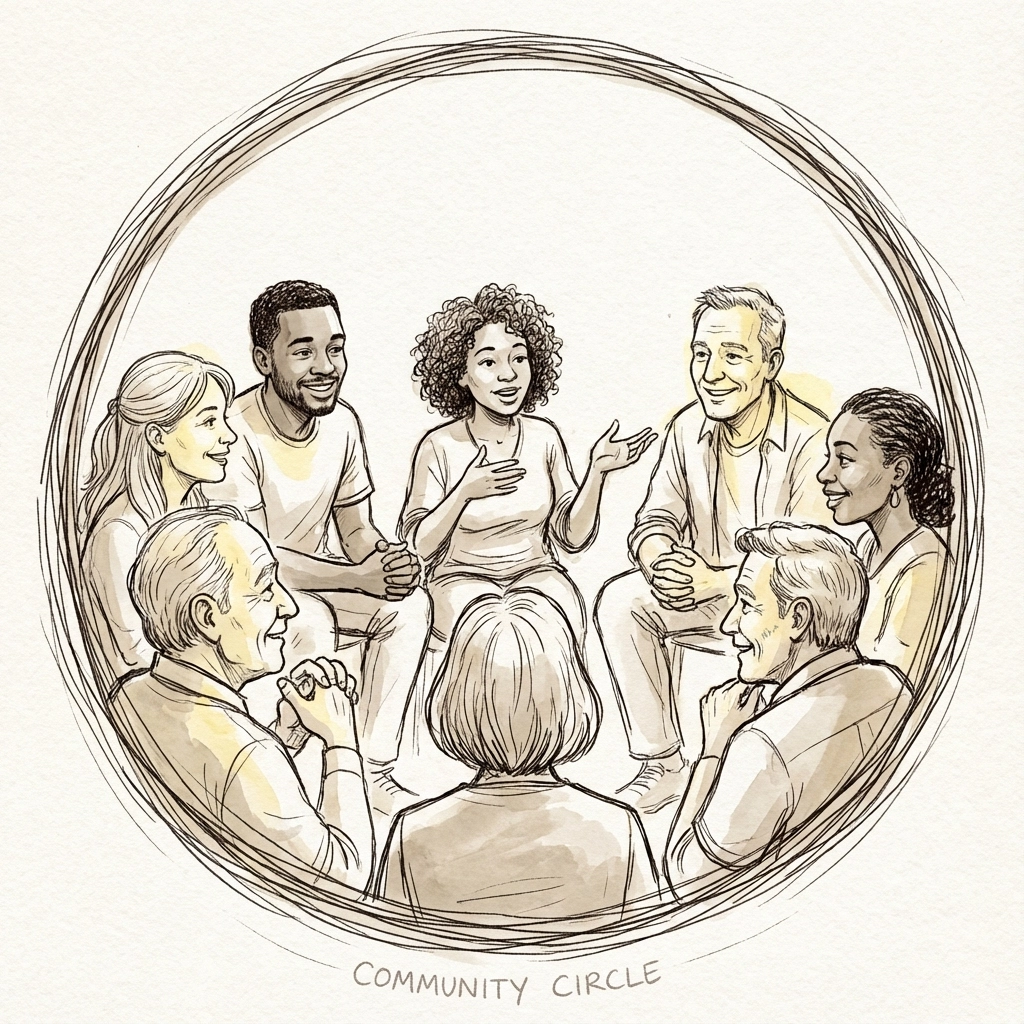
3. Policy That Makes Sense Survivor-led organizations don't waste time on interventions that sound good in theory but fail in practice. They design policies based on what they wished had existed when they needed help. The result? Programs that actually address root causes instead of just symptoms.
4. Prevention That Prevents Traditional prevention programs often miss the mark because they're designed by people who've never been targeted by a trafficker. Survivor-led prevention programs know exactly which vulnerabilities traffickers exploit and how they operate in real time, especially in digital spaces.
5. Long-Term Success Rates Perhaps most importantly, survivor-led programs show better long-term outcomes. When survivors see other survivors in leadership positions, it changes their vision of what's possible. It's not just about getting out, it's about what comes next.
The Challenges Traditional Methods Create
We need to be honest about why traditional approaches fall short, not because the people involved lack compassion, but because they lack context.
Traditional programs often:
Focus on immediate crisis response rather than long-term empowerment
Use deficit-based language that keeps survivors in victim mentality
Design one-size-fits-all solutions that ignore individual trauma responses
Prioritize donor comfort over survivor agency
Create dependency rather than independence
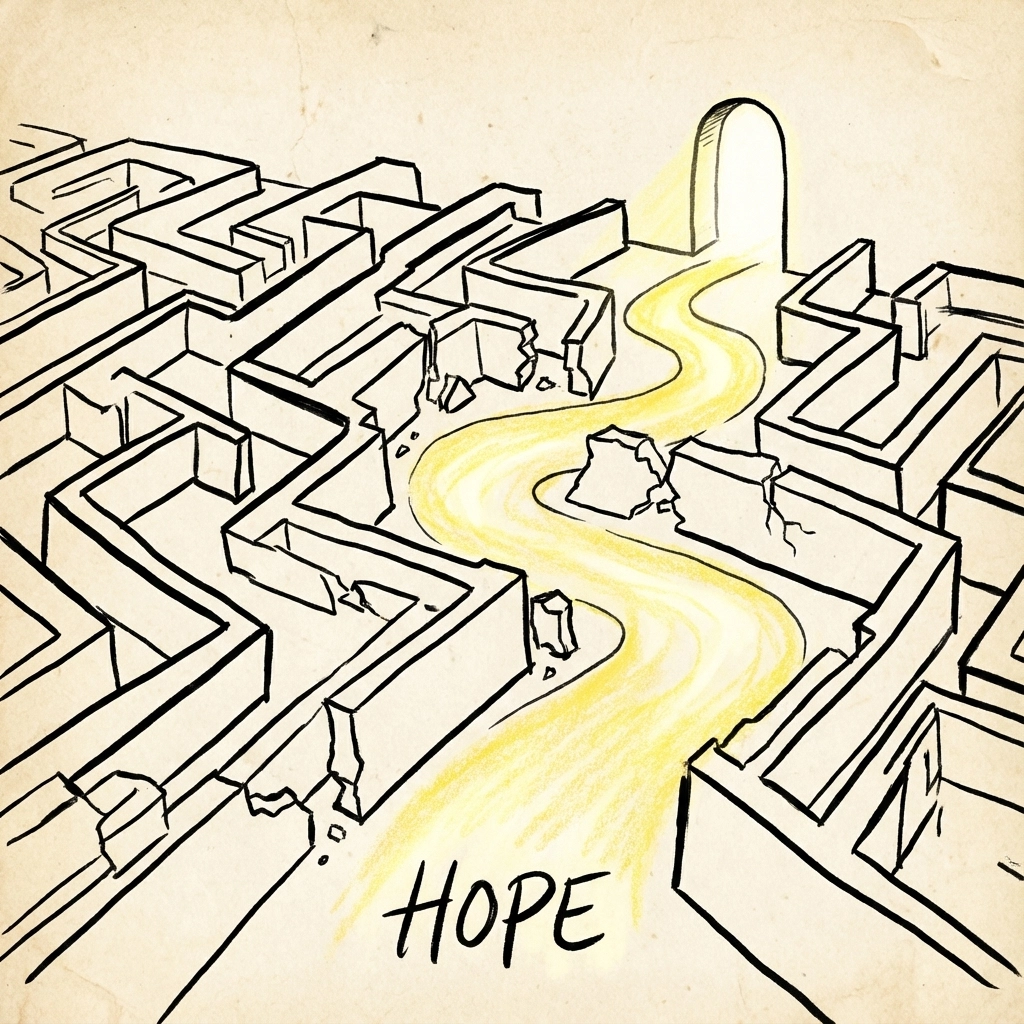
Many traditional organizations also struggle with the power dynamics involved in truly centering survivor leadership. It requires giving up control, admitting knowledge gaps, and sometimes completely restructuring how decisions get made.
What Survivor Leadership Actually Requires
Here's something traditional methods often get wrong, they think adding a survivor to the team is the same as being survivor-led. Real survivor leadership requires:
Ongoing Mental Health Support: Survivor leaders are doing incredibly difficult work while managing their own healing. Without proper support systems, burnout and secondary trauma become real risks.
Adequate Training and Resources: Being a trafficking survivor doesn't automatically make someone ready for executive leadership. Survivor-led organizations invest heavily in leadership development, professional training, and skill building.
Financial Stability: Many survivors face ongoing financial trauma. Survivor-led programs ensure fair compensation and create pathways to financial independence, not just employment.
Decision-Making Power: This isn't about tokenism or advisory roles. Survivor leaders need real authority to make programmatic and organizational decisions.
The Magdalena's Daughters Difference
At Magdalena's Daughters, we don't just talk about survivor leadership, we live it. Our residential program, our community outreach, our policy advocacy, all of it gets designed and refined by people who understand trafficking from the inside out.
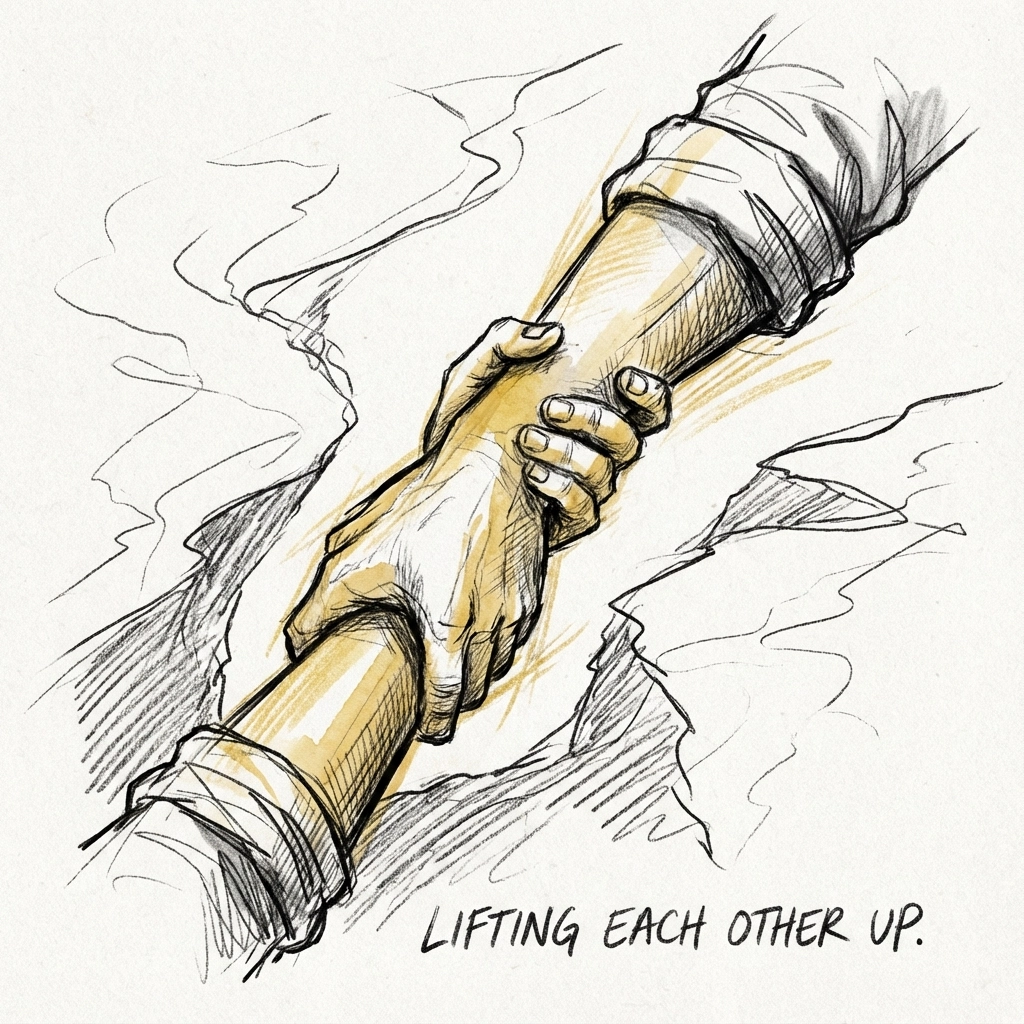
When we created our on-grounds residential home model, it wasn't based on what researchers thought would work. It was based on what our survivor leaders knew would work, the kind of safe space they wished had existed when they needed it most.
Our therapeutic approach integrates trauma-informed care with survivor wisdom. Yes, we have licensed therapists (like our team member Ashley), but our healing model recognizes that survivors often know better than anyone else what specific interventions help and which ones retraumatize.
The Future is Survivor-Led
The truth that traditional anti-trafficking methods don't want to acknowledge isn't that they're malicious: it's that they're becoming obsolete. The evidence is mounting that survivor-led programs consistently outperform traditional models across every meaningful metric.
More importantly, we're seeing a generation of survivor leaders who refuse to be sidelined in their own movement. They're starting their own organizations, challenging existing power structures, and demanding decision-making authority in the fight against trafficking.
What This Means for You
Whether you're a foster parent, a community member, or someone working in anti-trafficking efforts, this shift toward survivor leadership changes everything about how we approach this work.
If you're supporting anti-trafficking organizations, ask hard questions: Who's making the decisions? Are survivors in leadership positions or just advisory roles? How are survivor leaders compensated and supported?
If you're working with youth who might be vulnerable to trafficking, seek out survivor-led resources. The interventions and insights they provide come from lived experience, not textbook theory.
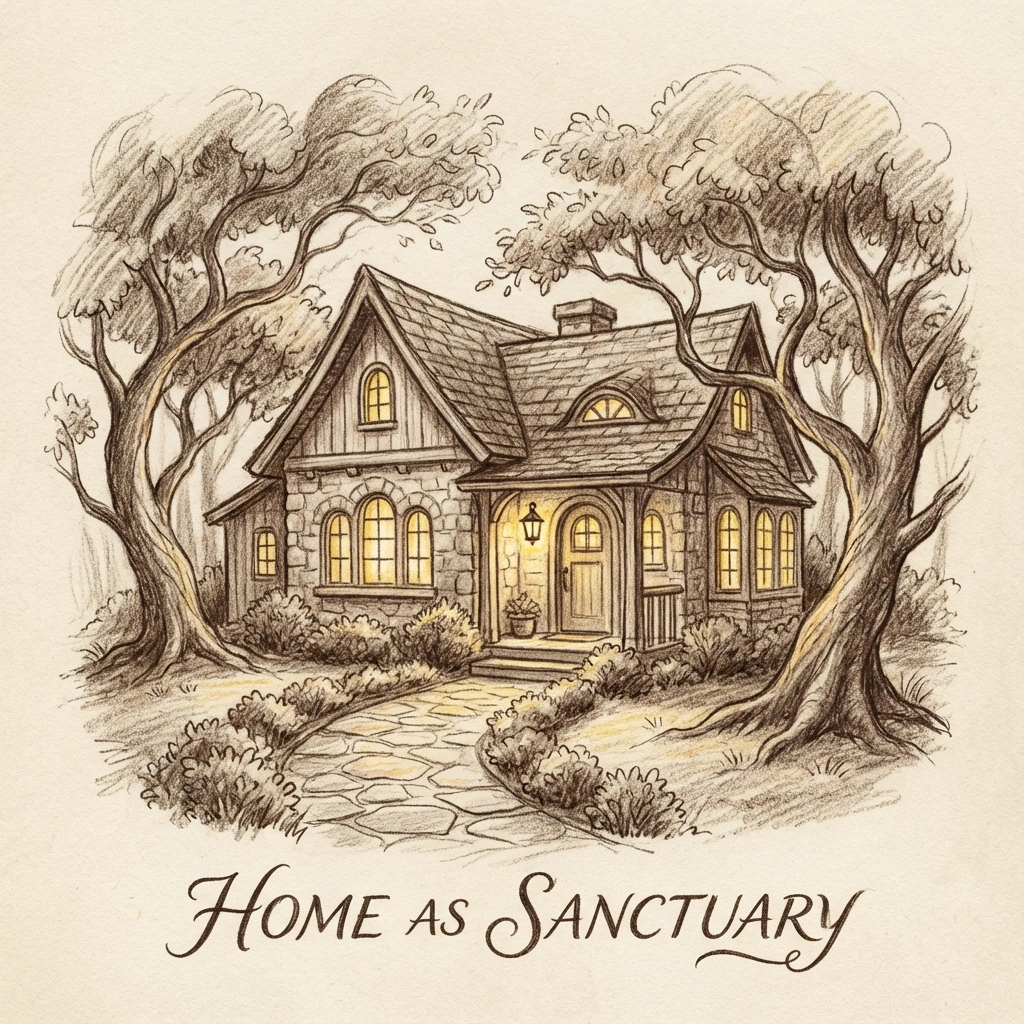
The revolution in anti-trafficking work isn't coming from boardrooms or government agencies: it's coming from survivors who refuse to let other people tell their stories or design their solutions.
At Magdalena's Daughters, we're proud to be part of this movement. We're not just changing how anti-trafficking work gets done: we're proving that the people closest to the problem are closest to the solution.
Want to learn more about how survivor leadership is changing the fight against trafficking? Visit our website to see what real survivor-led programming looks like in action.



Comments