
Are You Making These 7 Common Mistakes When Identifying Human Trafficking in Teens?

Today we'd like to introduce you to a topic that could literally save a teen's life - recognizing the signs of human trafficking. But here's the thing: most of us are making critical mistakes that keep us from spotting victims who desperately need help.
So, before we jump into the specifics, let's be real about something. When you think "trafficking victim," what comes to mind? If you're picturing a foreign-born girl with visible bruises being held against her will by obvious criminals, you're already falling into the first trap that keeps teens trapped in exploitation.
We've worked with countless survivors, and the reality is far different from what movies and news stories show us. The truth is, trafficking happens in our own neighborhoods, often by people teens know and trust. Let's walk through the seven most common mistakes that prevent us from identifying trafficking - and more importantly, how we can do better.
Mistake #1: Expecting Victims to Look Like Movie Stereotypes
We need to talk about the elephant in the room. Media portrayals have created this image of trafficking victims as obviously distressed children with visible injuries, clearly being held captive. But that's not reality.
Real trafficking victims often look like typical teenagers. They might have nice clothes, cell phones, and seem to move around freely. They could be honor students, athletes, or kids who seem to have everything together on the surface.
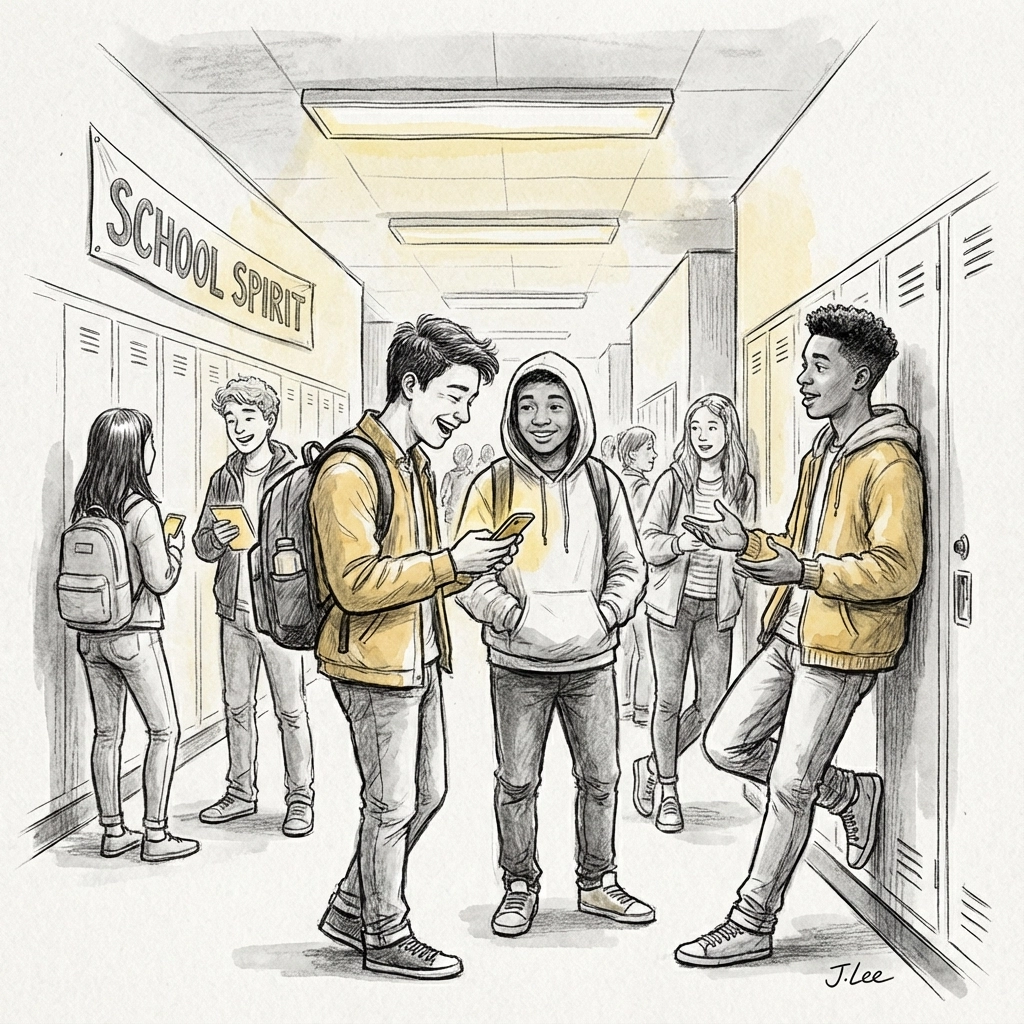
The problem? When we're scanning for obvious victims, we miss the majority of kids who are actually being exploited. Traffickers are smart - they know that a teen who looks abused will draw attention. Instead, they often ensure their victims appear normal, even happy, to avoid detection.
Mistake #2: Thinking Traffickers Are Always Strangers
Here's a misconception that's keeping us from protecting teens: the idea that traffickers are obviously dangerous strangers lurking in dark alleys.
In reality, most traffickers are people teens know and initially trust. They might be:
Older boyfriends or girlfriends
Family members or family friends
Classmates or acquaintances
Online friends who've built relationships over time
These traffickers often start as Romeo pimps - presenting themselves as caring partners who "love" their victims. They build genuine-seeming relationships before gradually introducing exploitation. When we only watch for stranger danger, we completely miss this most common recruitment method.
Mistake #3: Only Looking for Physical Abuse Signs
While physical indicators can be present, many trafficking victims don't show obvious physical signs of abuse. We're making a huge mistake when we focus only on bruises, cuts, or other visible injuries.
Instead, we should be watching for psychological and behavioral changes:
Sudden shifts in behavior or personality
Withdrawal from friends and family
Depression, anxiety, or fearfulness
Substance use that wasn't there before
Having money, clothes, or items they can't explain
Being secretive about where they've been or who they're with
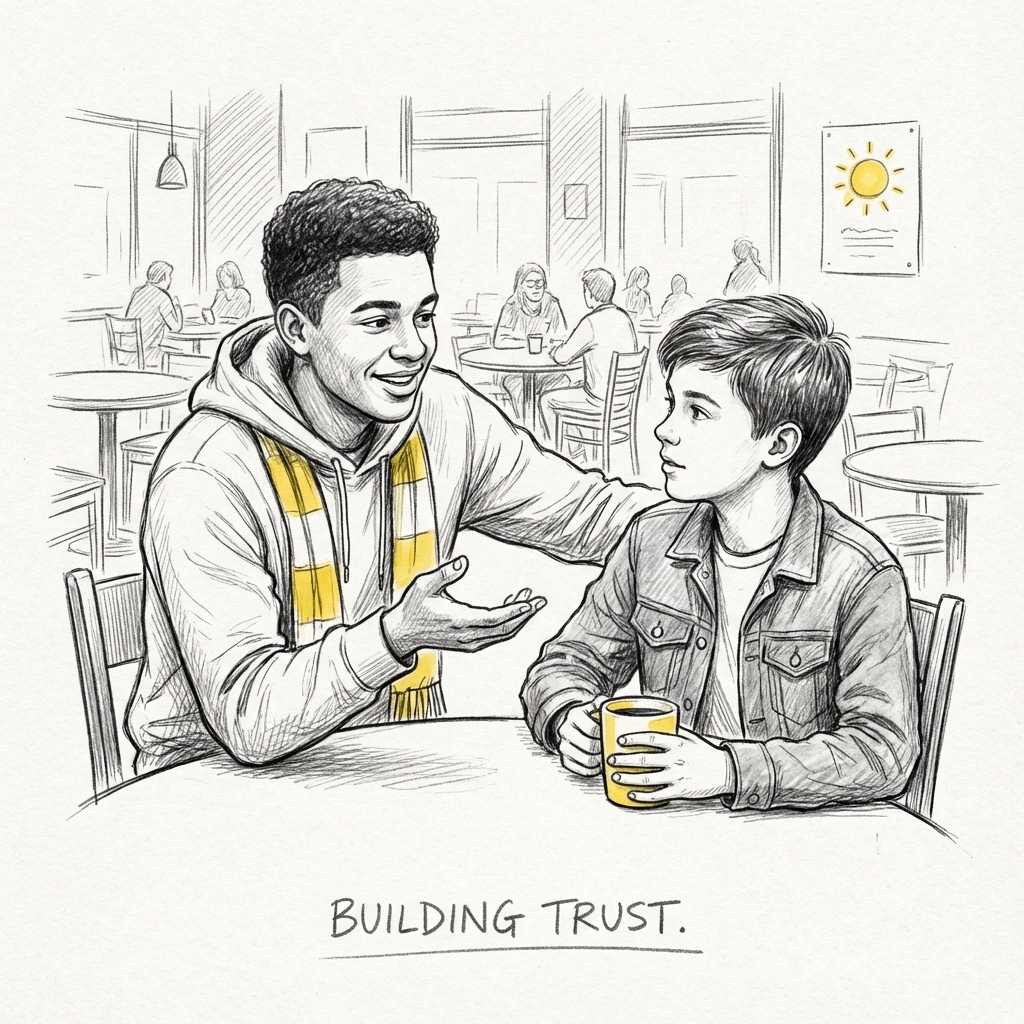
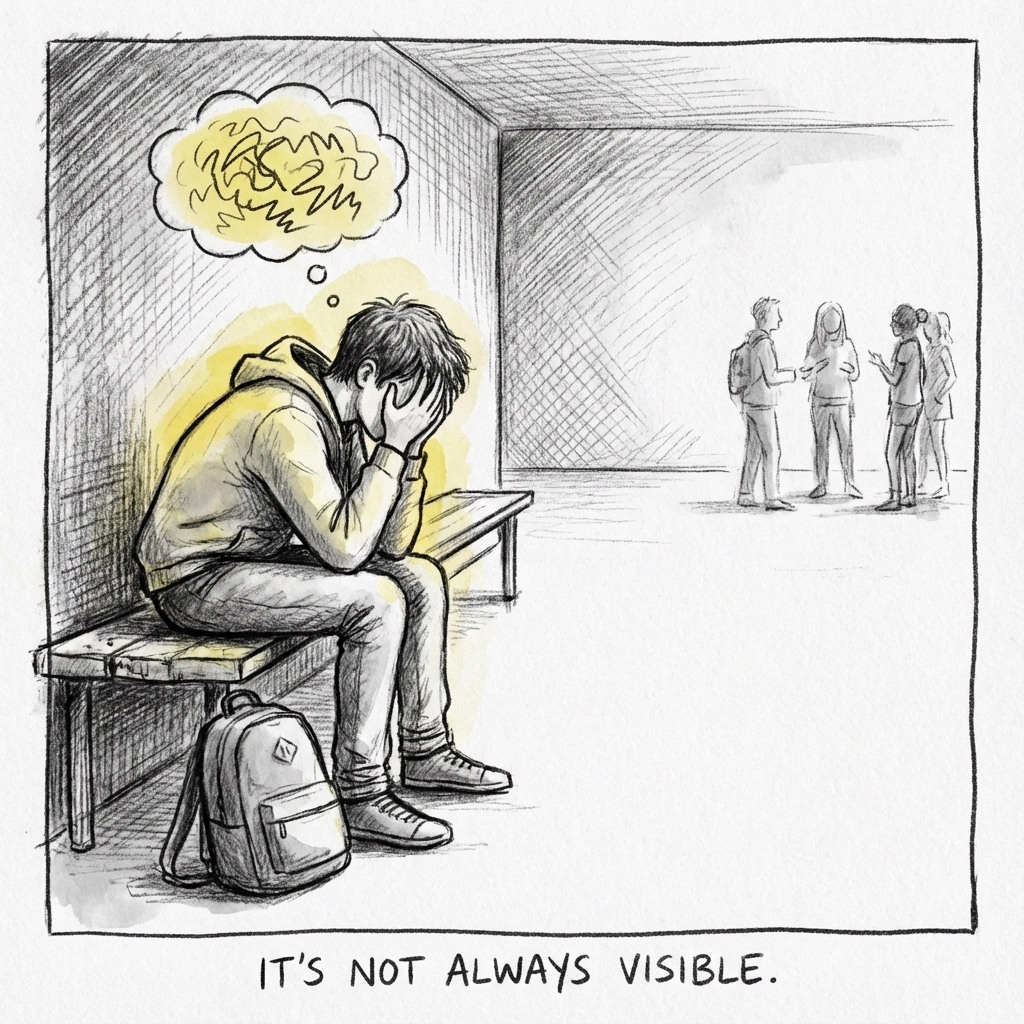
Many professionals miss trafficking victims because they're looking for the wrong signs. A teen might seem defiant, angry, or uncooperative - behaviors that look like typical adolescent rebellion but could actually be trauma responses to trafficking.
Mistake #4: Not Recognizing Domestic Trafficking
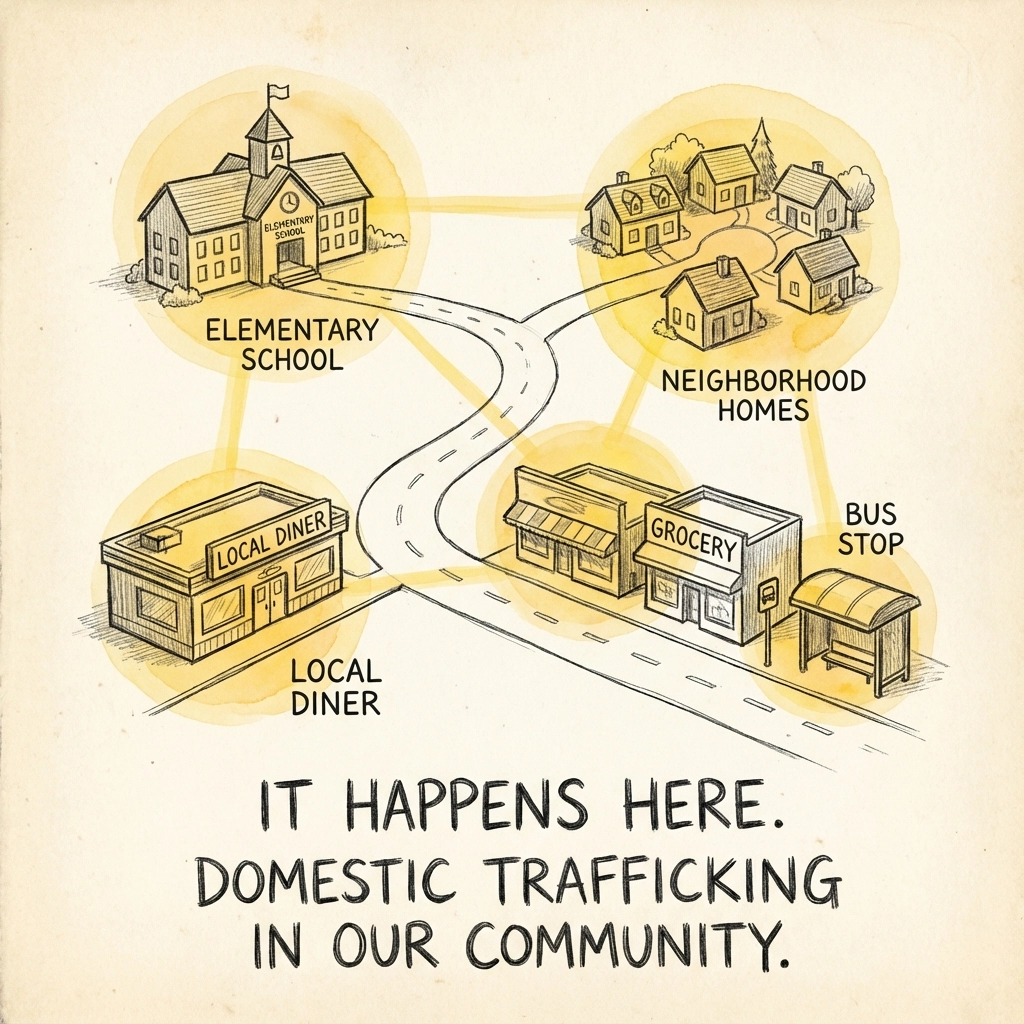
One of the biggest blind spots we have is thinking trafficking only happens to kids from other countries. The reality is that domestic trafficking - the exploitation of American teens right here at home - is happening in every state, including right here in the Inland Empire.
U.S. citizens, including teens in foster care, runaways, and kids from all socioeconomic backgrounds, are being trafficked. When we only focus on international trafficking, we miss the victims in our own communities who need help.
Law enforcement, teachers, social workers, and community members often lack awareness about domestic trafficking. They might see a teen engaged in prostitution and think it's a choice rather than recognizing it as trafficking - which, by law, it always is when the victim is under 18.
Mistake #5: Dismissing Victims as "Problem Kids"
This one breaks our hearts, but it happens constantly. Trafficking victims are often labeled as runaways, prostitutes, or troubled teens rather than being recognized as victims of serious crimes.
Here's what we need to understand: many behaviors that look like "acting out" are actually survival responses to trauma. When teens seem uncooperative with authorities, refuse help, or keep returning to dangerous situations, they're not being defiant - they're operating under the psychological control of their traffickers.
Traffickers deliberately create situations where victims feel they have no choice but to comply. They use tactics like:
Creating financial dependency
Isolating victims from support systems
Using threats against family members
Convincing victims that law enforcement will arrest them, not help them
When we criminalize these teens instead of recognizing them as victims, we're doing exactly what their traffickers want - pushing them further away from help.
Mistake #6: Missing the Trauma Bond and Dependency
Perhaps the most misunderstood aspect of trafficking is the psychological control traffickers exert over their victims. We make a critical error when we expect victims to immediately want to leave or ask for help.
Traffickers deliberately create trauma bonds - psychological attachments that make victims feel dependent on their exploiters. Victims might genuinely believe their trafficker cares about them, protects them, or is their boyfriend or girlfriend.
This isn't stupidity or denial - it's a documented psychological response to trauma and control. When victims defend their traffickers or refuse help, it doesn't mean they're not being trafficked. It often means the psychological manipulation is working exactly as intended.
Understanding this dynamic is crucial because it explains why victims might:
Return to traffickers after being "rescued"
Lie to protect their traffickers
Seem to choose their situation
Resist help from authorities or service providers
Mistake #7: Waiting for Victims to Self-Identify or Ask for Help
Our final mistake might be the most dangerous: assuming that trafficking victims will identify themselves as such or directly ask for help. In reality, most victims don't recognize themselves as victims, at least not initially.
There are several reasons why teens might not self-identify:
They genuinely believe their trafficker cares about them
They're ashamed of what they've been forced to do
They fear law enforcement will arrest them
They've been told no one will believe them or help them
They don't understand that what's happening to them is trafficking
This means we can't rely on victims to come forward. Instead, we need to be proactive in recognizing signs and creating safe spaces where teens feel comfortable disclosing their experiences.
Moving Forward: What We Can Do Better
Now that we've identified these common mistakes, how do we do better? It starts with education and awareness. We need to train teachers, social workers, healthcare providers, law enforcement, and community members to recognize the real signs of trafficking.
We also need to create trauma-informed approaches that don't re-traumatize victims. This means understanding that a teen's behavior might be a survival response rather than defiance.
At Magdalena's Daughters, we're working to change these misconceptions through education and survivor-led programming. We know that with the right knowledge and approaches, we can identify victims sooner and connect them with appropriate services.
The stakes couldn't be higher. Every day we miss these signs, teens continue to suffer in exploitation that could be interrupted with proper identification and response. But when we recognize these mistakes and correct them, we create opportunities to change - and save - young lives.
Remember: trafficking victims are often hiding in plain sight. They might be the teen sitting next to your child in class, the young person you see at the grocery store, or the kid who seems to have everything but something feels off. When we know what to really look for, we can be the difference between continued exploitation and the beginning of healing and freedom.

Comments