
Healing With Culture at the Center: Why Culturally Responsive Care Transforms Recovery for BIPOC Girls

Too many programs claim to support healing for BIPOC girls recovering from exploitation, yet most miss a crucial piece: culture. When care ignores a girl’s identity, her recovery stalls, and trauma lingers. This post shows why culturally responsive care changes everything for BIPOC girls healing and how Magdalena’s Daughters offers a residential therapeutic program built with their stories and strengths at the center. Explore more about culturally responsive care and ethical engagement.
Importance of Culturally Responsive Care
Culturally responsive care acknowledges and respects the unique backgrounds of BIPOC girls. Ignoring culture means ignoring a crucial part of healing.
Understanding BIPOC Girls' Unique Challenges
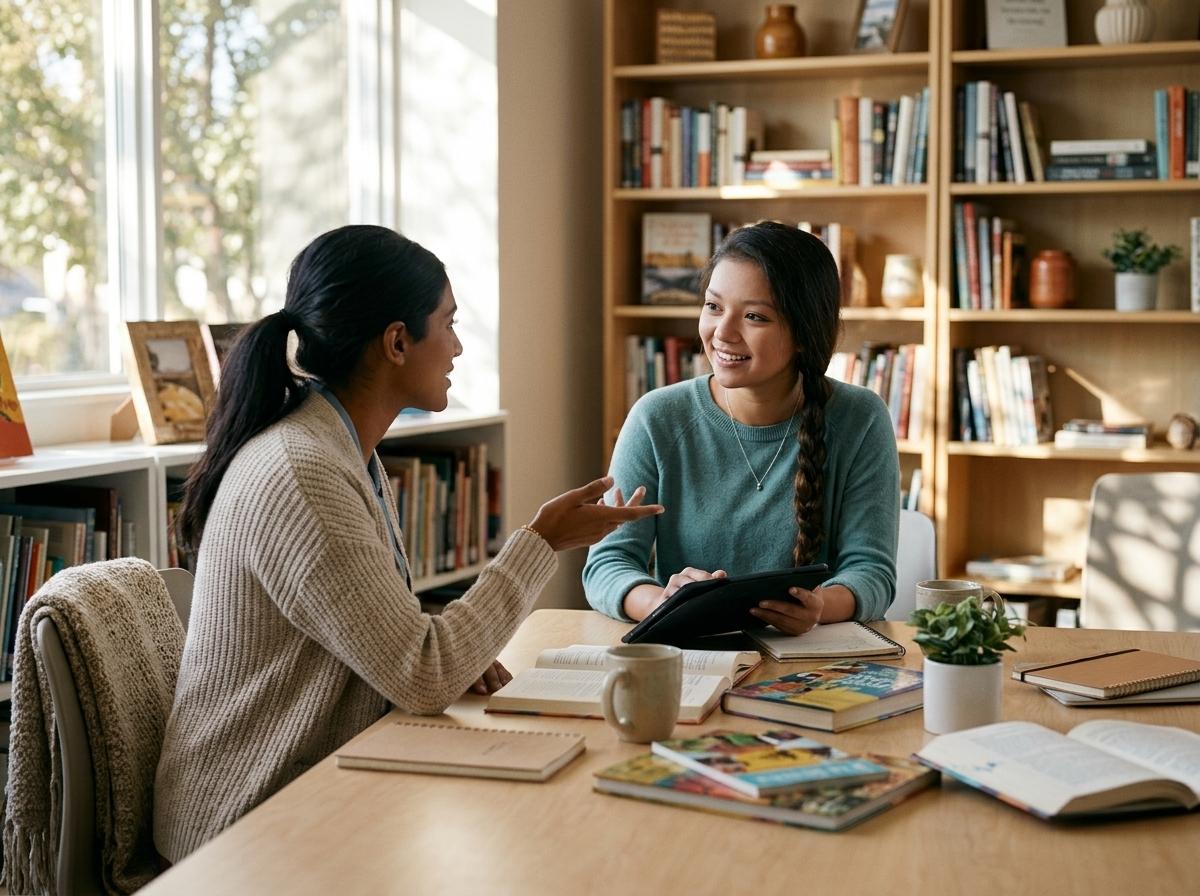
BIPOC girls face distinct challenges due to cultural and racial identities. These challenges can include discrimination, cultural misunderstandings, and a lack of representation in care services. When services are not tailored to their specific needs, it can hinder recovery and worsen feelings of isolation. Culturally responsive care breaks down these barriers by incorporating cultural practices and understanding into therapy. This approach ensures that care is not just about recovery but also about empowerment and identity validation. By focusing on culturally informed practices, such as traditional healing methods, therapists can provide more effective support. For instance, understanding cultural nuances can help in building trust and rapport, which are vital for successful therapeutic outcomes.
Bridging the Gap with Trauma-Informed Therapy
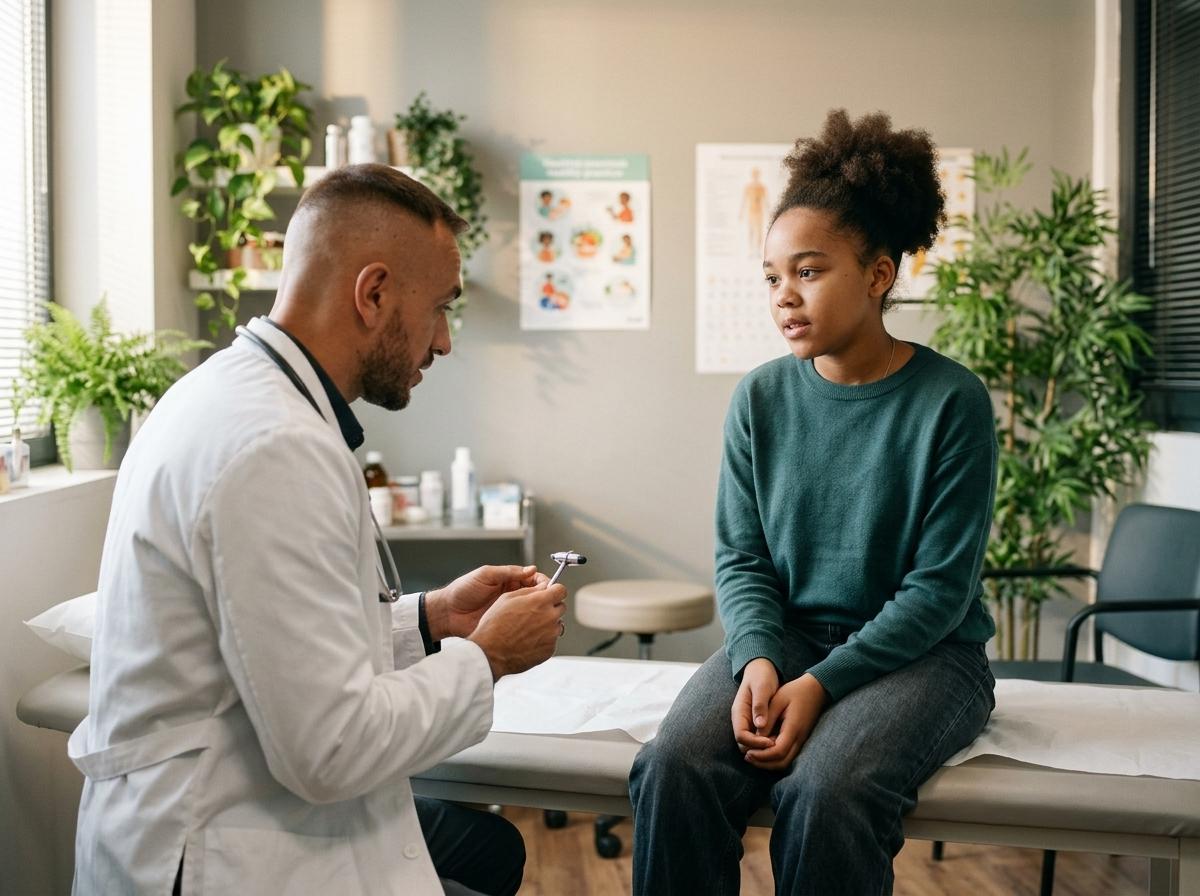
Trauma-informed therapy considers the impact of trauma on a person's life, behavior, and relationships. For BIPOC girls, this means recognizing how cultural and racial trauma affects their healing journey. Incorporating trauma-informed practices into culturally responsive care helps address both the psychological and cultural aspects of trauma. This dual focus can lead to more comprehensive healing. Techniques such as EMDR (Eye Movement Desensitization and Reprocessing) and CPT (Cognitive Processing Therapy) can be tailored to include cultural elements that resonate with the individual's experiences. By doing so, therapy becomes more relevant and impactful. This approach not only addresses trauma but also empowers survivors by validating their cultural identity and experiences.
Prioritizing Survivor-Led Programs
Survivor-led programs are crucial because they are designed and informed by individuals who have firsthand experience. These programs prioritize the voices and needs of survivors, ensuring that services are relevant and effective. For BIPOC girls, this means having access to programs that understand and reflect their unique cultural backgrounds and challenges. Survivor-led initiatives offer authentic perspectives and create spaces where survivors feel understood and supported. By involving survivors in program development, organizations can create more effective and empathetic care models. This empowers survivors to take an active role in their healing journey and fosters a sense of community and belonging.
Empowering Recovery Through Community Support
Community support plays a vital role in the recovery process. It provides a network of care that extends beyond individual therapy.
The Role of Magdalena's Daughters
Magdalena's Daughters plays a critical role in providing a safe and nurturing environment for BIPOC girls. The organization offers a residential therapeutic program that is culturally responsive and trauma-informed. This program is designed to meet the specific needs of BIPOC girls, addressing their unique challenges and fostering healing. By offering a range of services, including mental health support, life skills education, and community engagement, Magdalena's Daughters creates a holistic care model. This approach not only aids in recovery but also empowers girls to envision a brighter future. The organization’s commitment to diversity and inclusion ensures that all girls feel valued and supported.
Building Safe Housing for Youth
Safe housing is a cornerstone of recovery for BIPOC girls. It provides a stable environment where they can heal without fear. Magdalena's Daughters prioritizes creating safe spaces that are culturally sensitive and trauma-informed. This involves not only physical safety but also emotional and psychological support. Safe housing allows girls to focus on their recovery and personal growth. It also provides a foundation for building healthy relationships and developing life skills. By offering a secure and nurturing environment, Magdalena's Daughters helps girls regain their sense of safety and belonging, which are crucial for long-term healing.
How Community Partnerships Foster Healing
Community partnerships enhance the support network available to BIPOC girls. Collaborations with local organizations, schools, and agencies provide additional resources and opportunities for growth. These partnerships can include educational programs, job training, and extracurricular activities that enrich the lives of the girls. By working together, community partners can create a supportive and empowering environment that fosters healing and development. These collaborations also help raise awareness about the challenges faced by BIPOC girls and the importance of culturally responsive care. By building strong community ties, organizations like Magdalena's Daughters can amplify their impact and reach more girls in need.
Call to Action: Engaging for Change
Healing and empowerment require collective effort. Here's how you can get involved and make a difference.
Supporting Foster Youth Through Donations
Donations provide essential resources that support the programs and services offered by Magdalena's Daughters. Financial contributions help maintain safe housing, fund therapeutic services, and provide educational opportunities. Every donation, no matter the size, makes a significant impact on the lives of BIPOC girls. By supporting these efforts, you help create a nurturing environment where girls can heal and thrive. Your support can change a life and contribute to a brighter future for these young survivors.
Bringing RAISE Curriculum to Your Community
The RAISE curriculum is an anti-trafficking education program designed to empower youth. By bringing this curriculum to your community, you can help educate young people about the signs of trafficking and how to protect themselves. The program provides valuable tools and knowledge that can prevent exploitation and support recovery. By implementing RAISE, you contribute to a safer, more informed community that prioritizes the well-being of its youth.
Volunteer and Advocate for Anti-Trafficking Efforts
Volunteering your time and advocating for anti-trafficking efforts can make a significant impact. Organizations like Magdalena's Daughters rely on volunteers to help with various aspects of their work, from mentoring to organizing events. By getting involved, you can support the mission of providing culturally responsive care and empowering BIPOC girls. Advocacy also plays a crucial role in raising awareness and driving change. By speaking out and supporting initiatives, you can help create a society that values and protects its vulnerable members.
Frequently Asked Questions
What is culturally responsive care?
Culturally responsive care involves tailoring healthcare and support services to meet the cultural needs of individuals. It acknowledges and respects cultural differences, ensuring that care is accessible and relevant to diverse communities.
Why is survivor-led programming important?
Survivor-led programming is important because it incorporates the firsthand experiences of survivors into care models. This approach ensures that services are relevant, effective, and empathetic, as they are informed by those who have lived through similar experiences.
How can I support foster youth through donations?
You can support foster youth by donating to organizations like Magdalena's Daughters. Donations help fund essential programs and services that provide safe housing, therapeutic support, and educational opportunities for BIPOC girls recovering from exploitation.

Comments